What Is Cinematography? A Beginner Guide to Visual Storytelling
Every scene you love on screen was shaped by choices about light, lenses, and movement. This guide shows you how those choices work, so your own footage starts to feel like a film.
What Is Cinematography, Really?
So, what is cinematography? It’s the craft of telling a story with a camera, deciding exactly what your audience sees and how it makes them feel.
Think of it as the visual language of film. The director decides what happens, and the cinematographer decides how it looks.
That covers a lot more than pointing a camera at actors. It includes:
- Framing and composition
- Lighting and shadow
- Camera movement
- Lens choice and focus
- Color and exposure
Each one changes how a moment lands with your viewer.
The 6 Building Blocks Behind Every Great Shot
If you’re still asking what is cinematography at its core, these six elements are the answer. Get comfortable with them and you’ll read almost any scene like a pro.
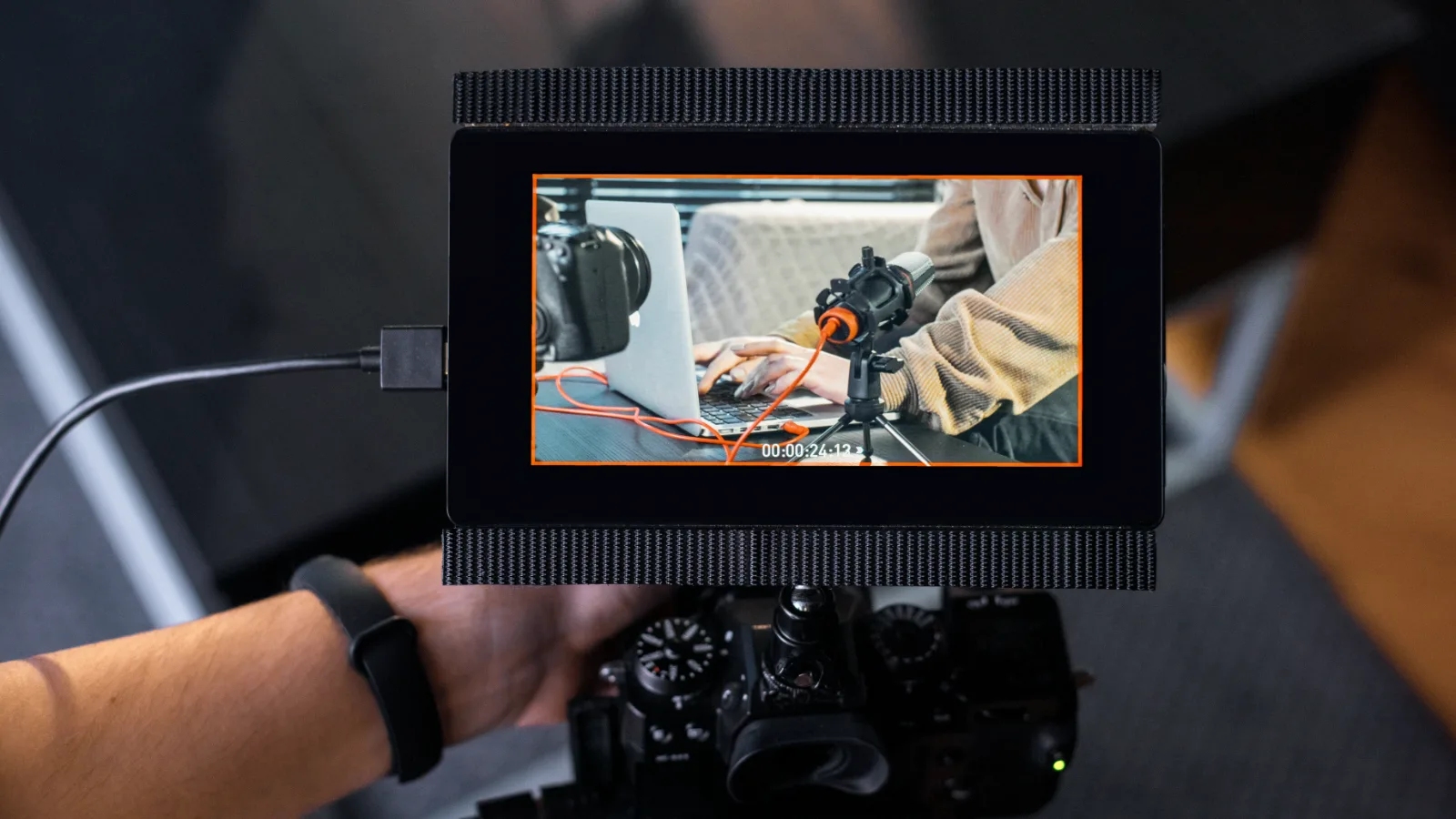
Composition
Composition is where you place things inside the frame. The rule of thirds, leading lines, and negative space all guide your viewer’s eye.
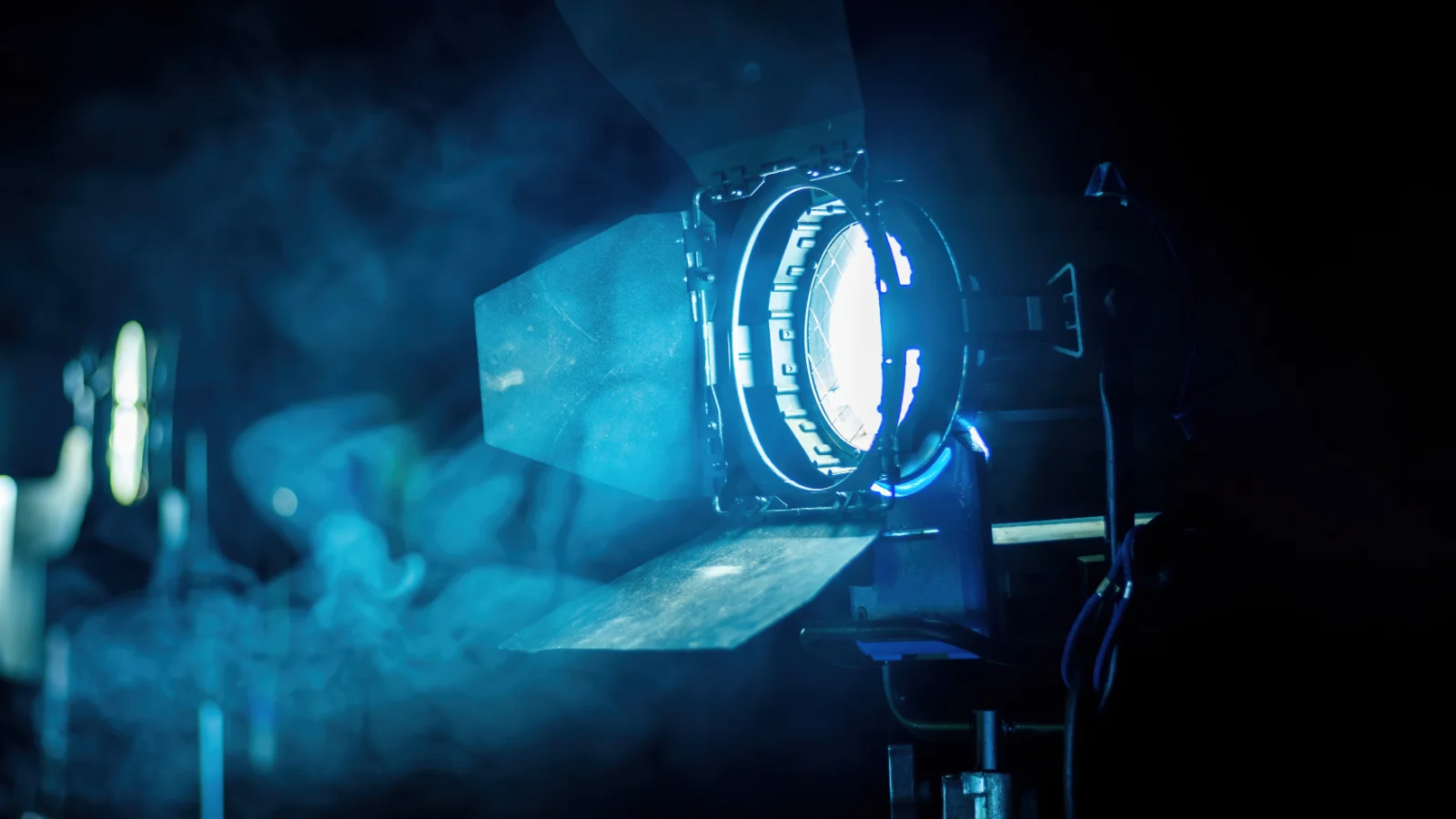
Lighting
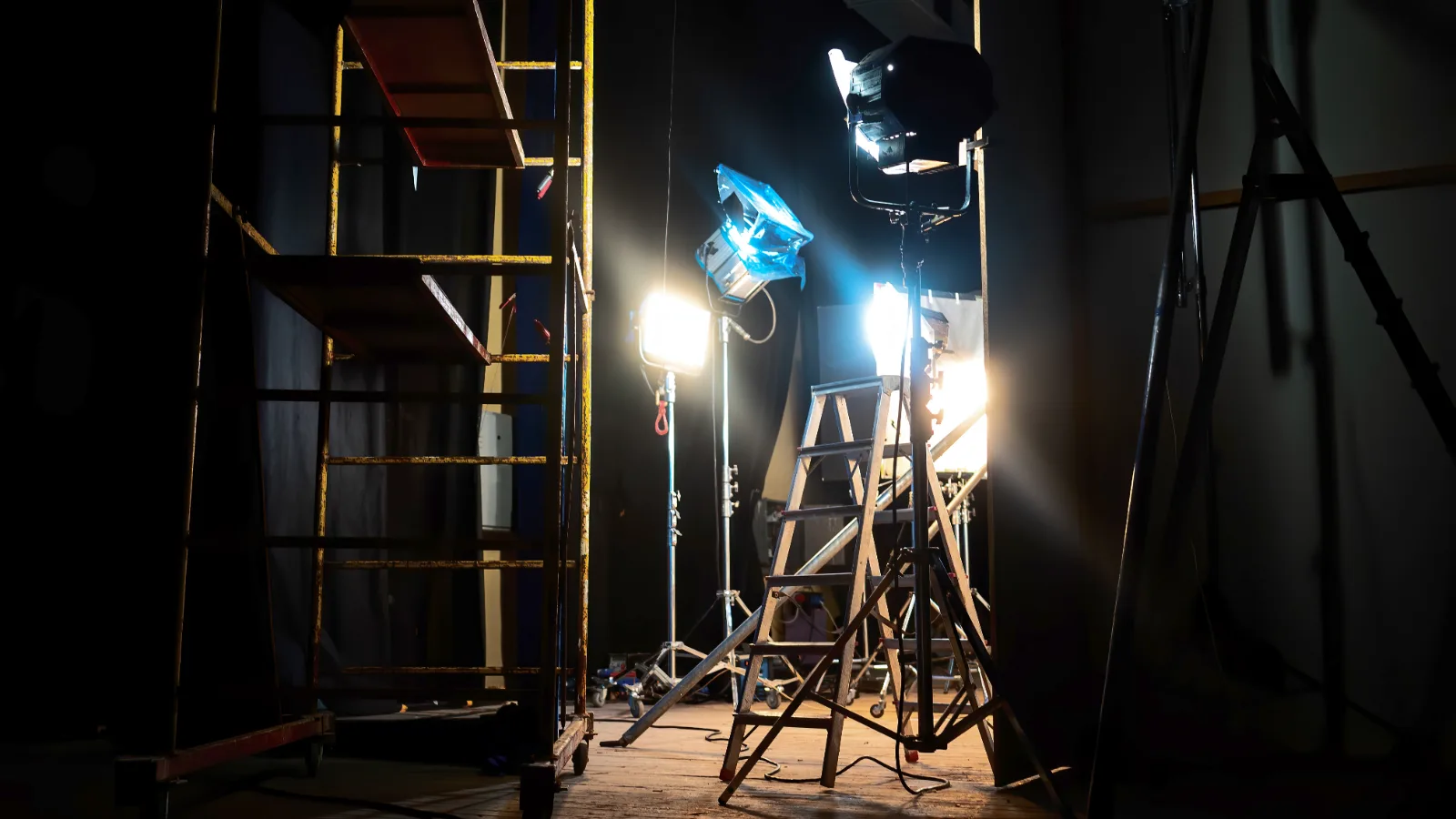
Light sets the mood before anyone says a word. Soft light feels gentle and warm, while hard light creates drama and tension.
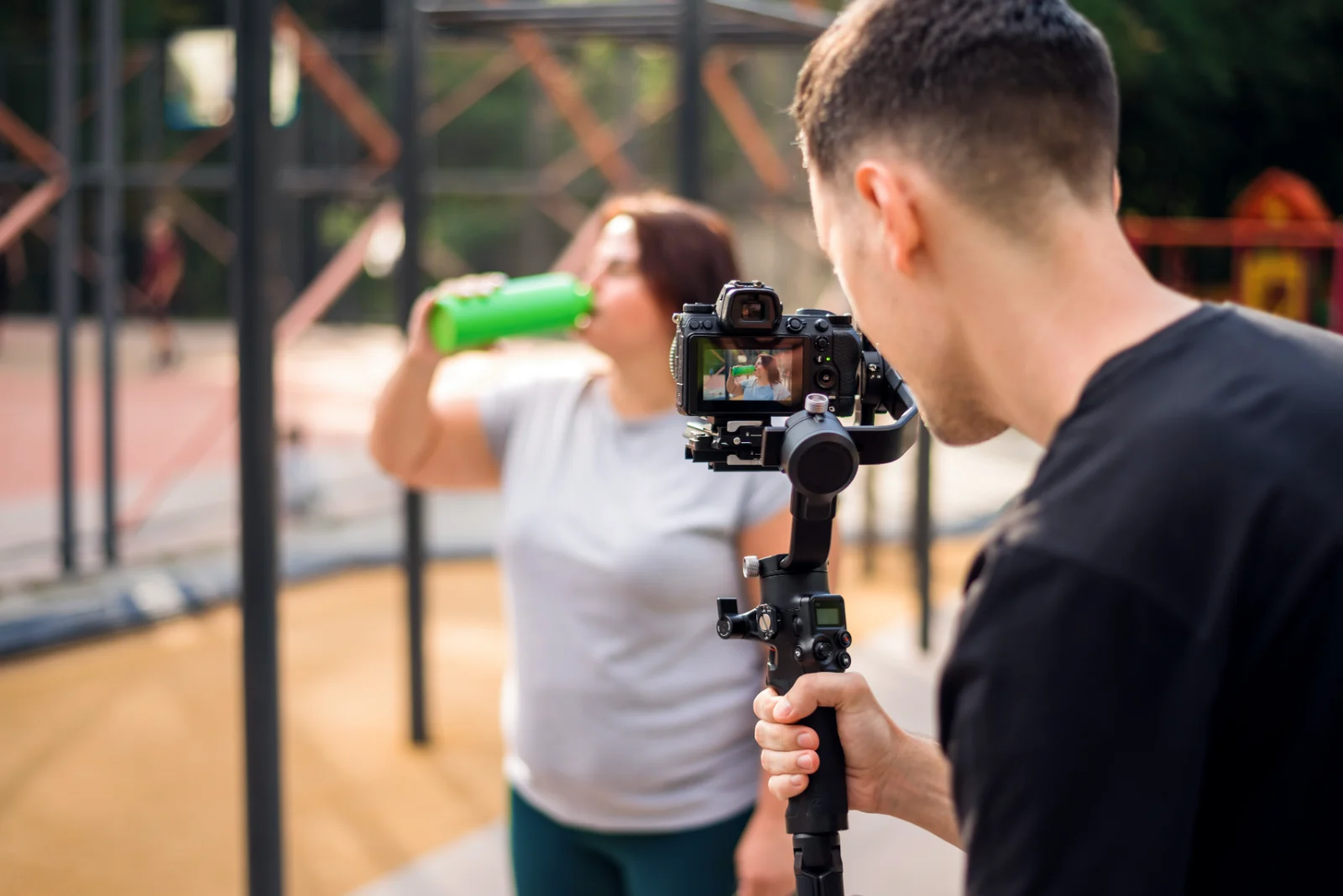
Camera Movement
A slow push-in builds intensity. A handheld shot feels raw and urgent, while a smooth gimbal glide feels dreamy.
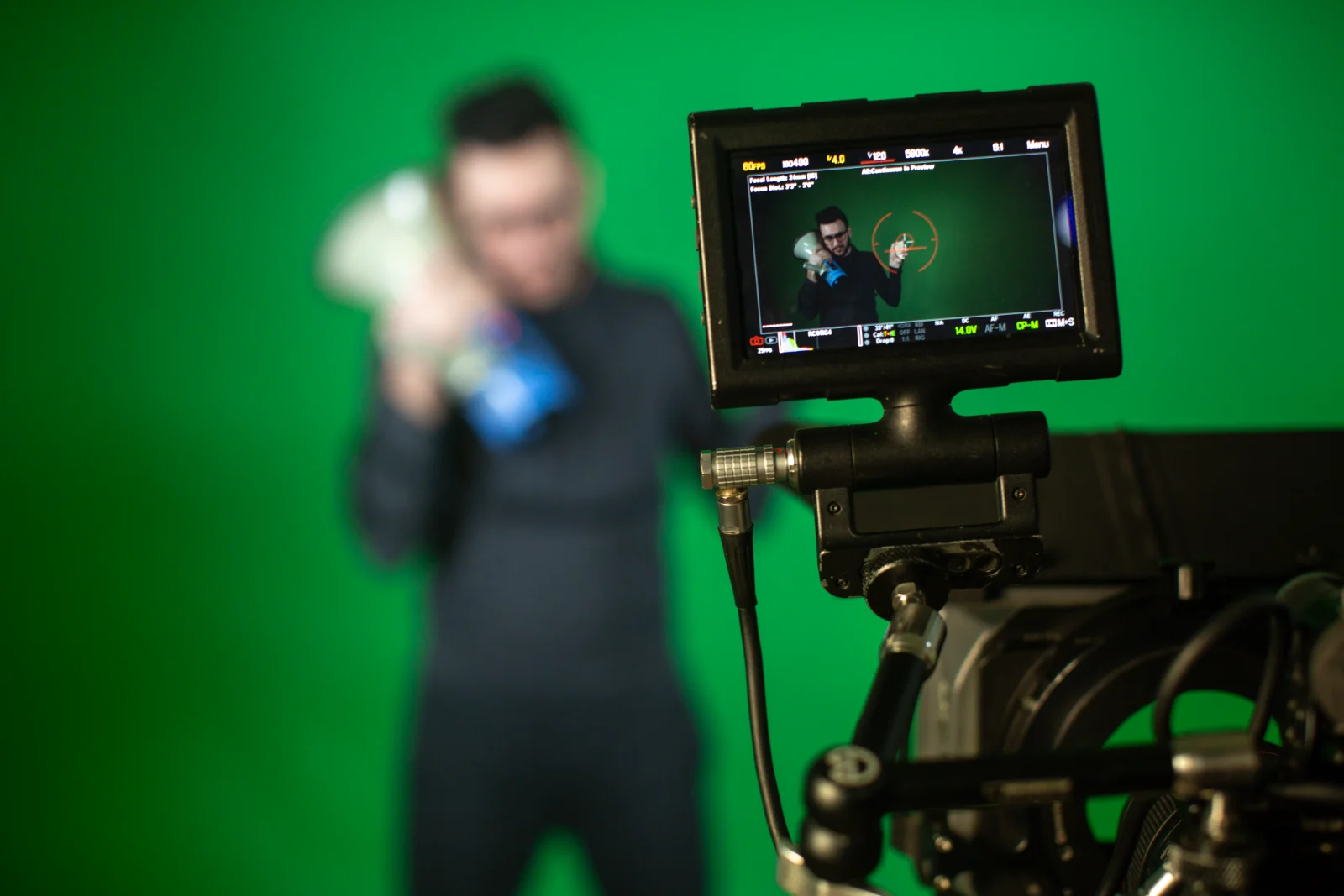
Shot Size and Angle
Wide shots show your audience where they are. Close-ups show how someone feels, and a low angle makes a character look powerful.
Lenses and Focus
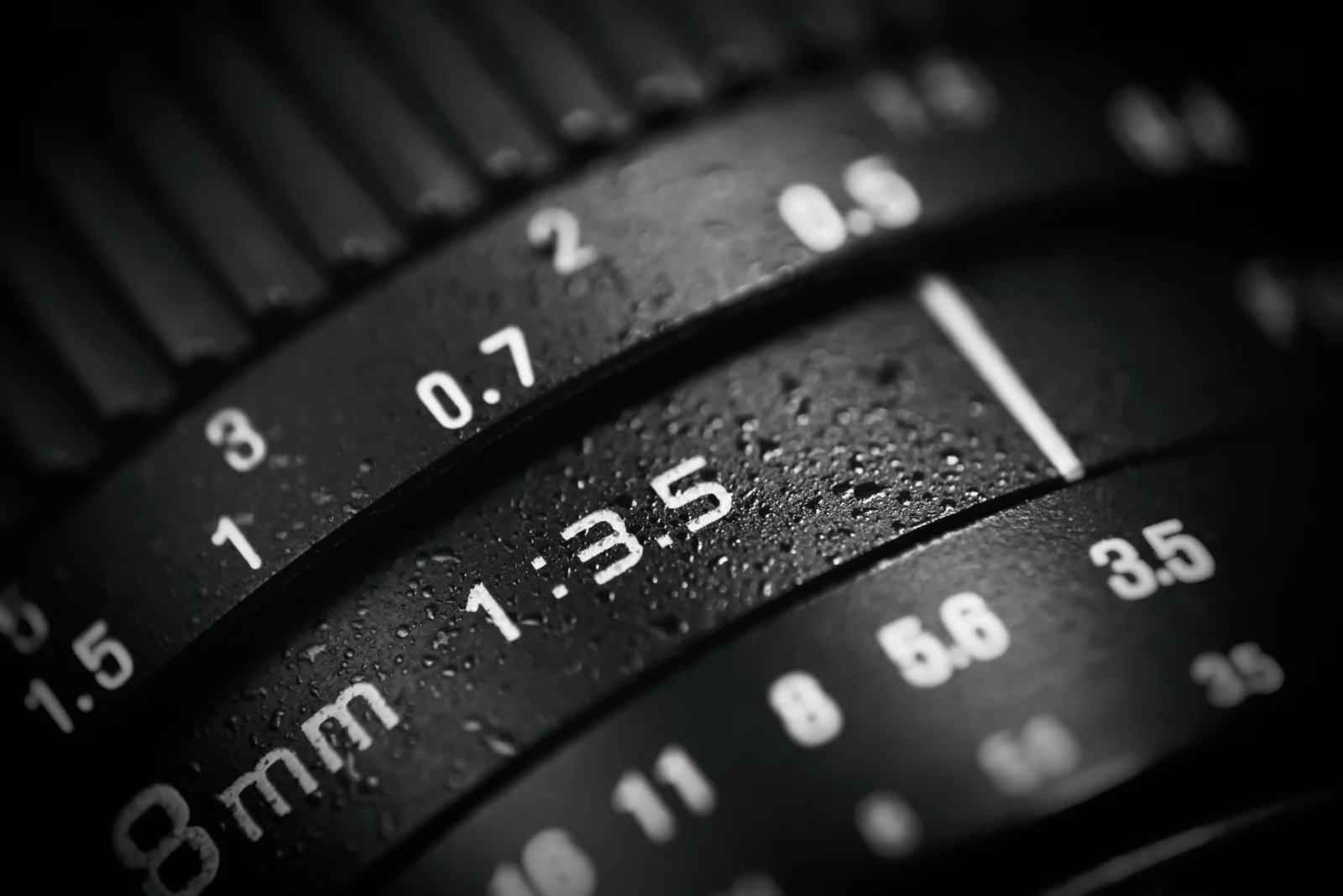
A wide lens stretches space, and a long lens squeezes it together. Shallow depth of field pulls attention to one subject and melts the background away.
Color
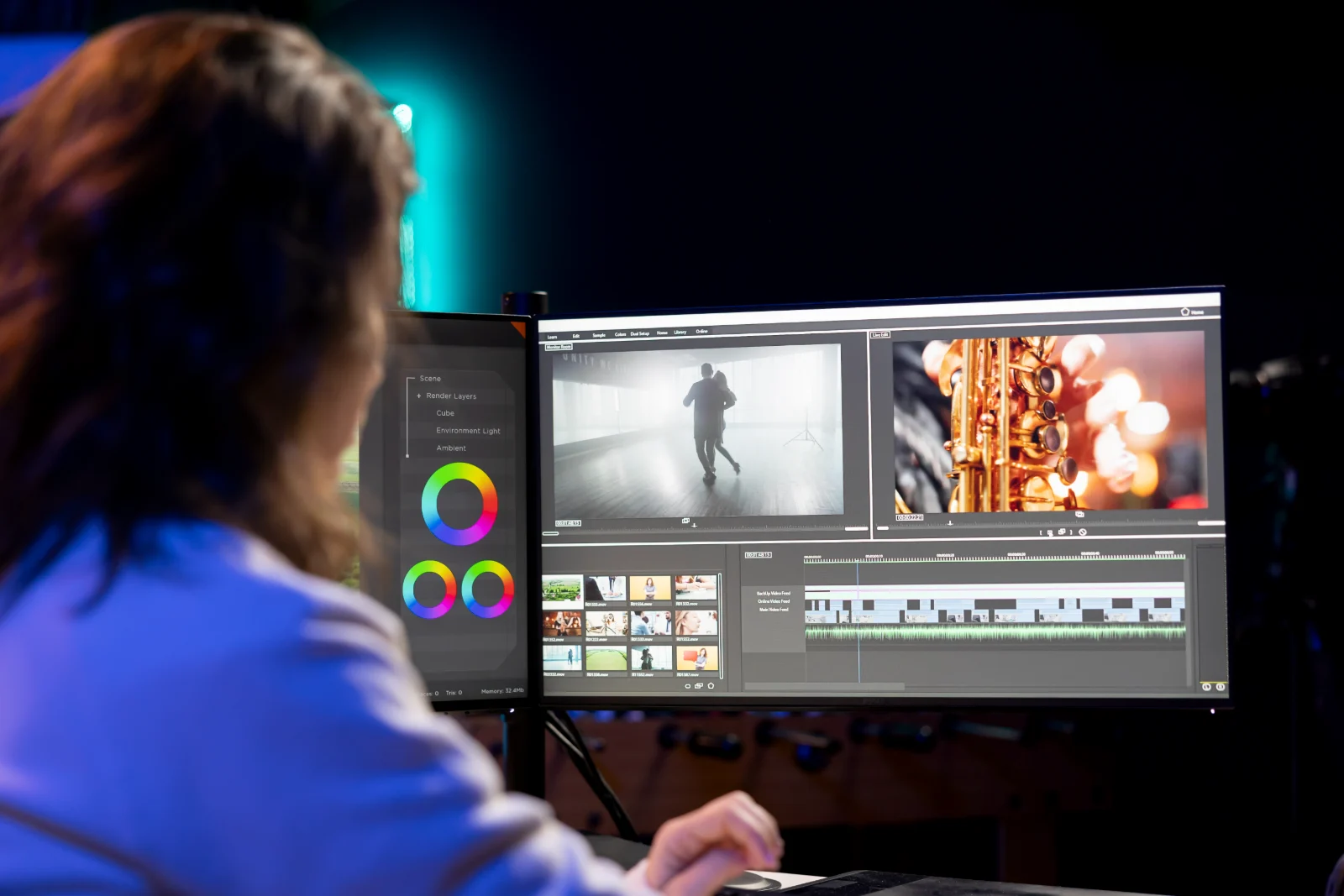
Color grading gives your footage its personality. Cool blues can feel lonely, while warm oranges feel nostalgic.
How to Start Practicing Cinematography Today
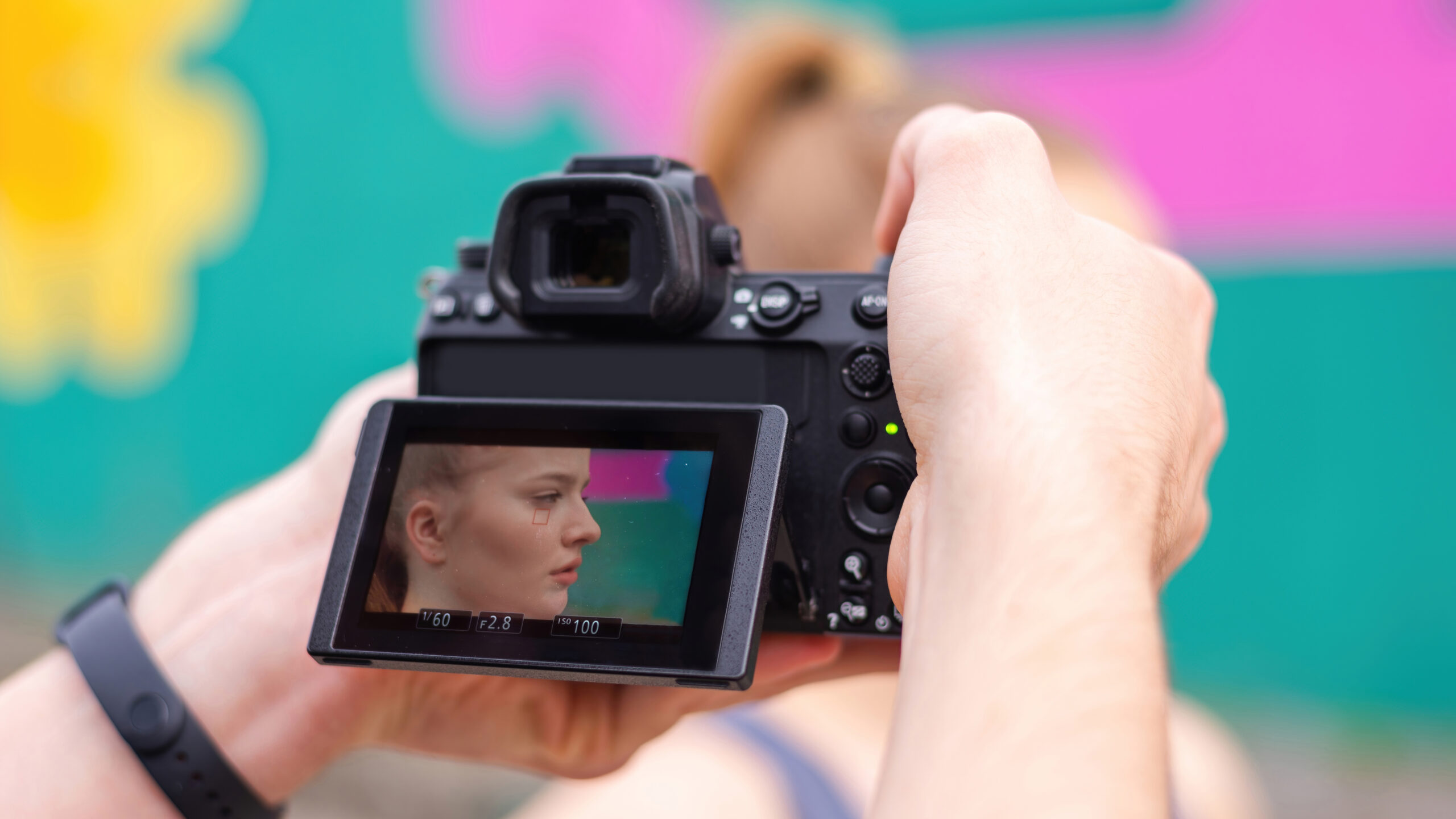
You don’t need expensive gear to learn. Your phone makes a great training camera.
Step 1: Study Shots You Love
Pause a favorite movie and ask yourself why a frame works. Notice where the light comes from and where the subject sits.
Step 2: Shoot With One Rule at a Time
Pick a single idea, like the rule of thirds, and film ten shots using only that. A narrow focus helps you build habits faster.
Step 3: Play With Natural Light
Film the same subject at noon, at golden hour, and next to a window. You’ll see firsthand how much light changes the mood.
Step 4: Add Movement With Purpose
Move the camera only when it serves the story. Ask yourself what that motion should make your viewer feel.
Mistakes That Hold Your Footage Back
Most new shooters trip over the same few things. Spotting them early saves you hours of frustration.
- Shooting everything at eye level and from the same distance
- Backlighting faces until they turn into dark silhouettes
- Moving the camera constantly with no real reason
- Leaving too much empty headroom above your subject
- Trusting auto exposure, which makes brightness jump mid-shot
Cinematography vs Videography: What’s the Difference?
People often use these two words as if they mean the same thing. They overlap, but the focus is different.
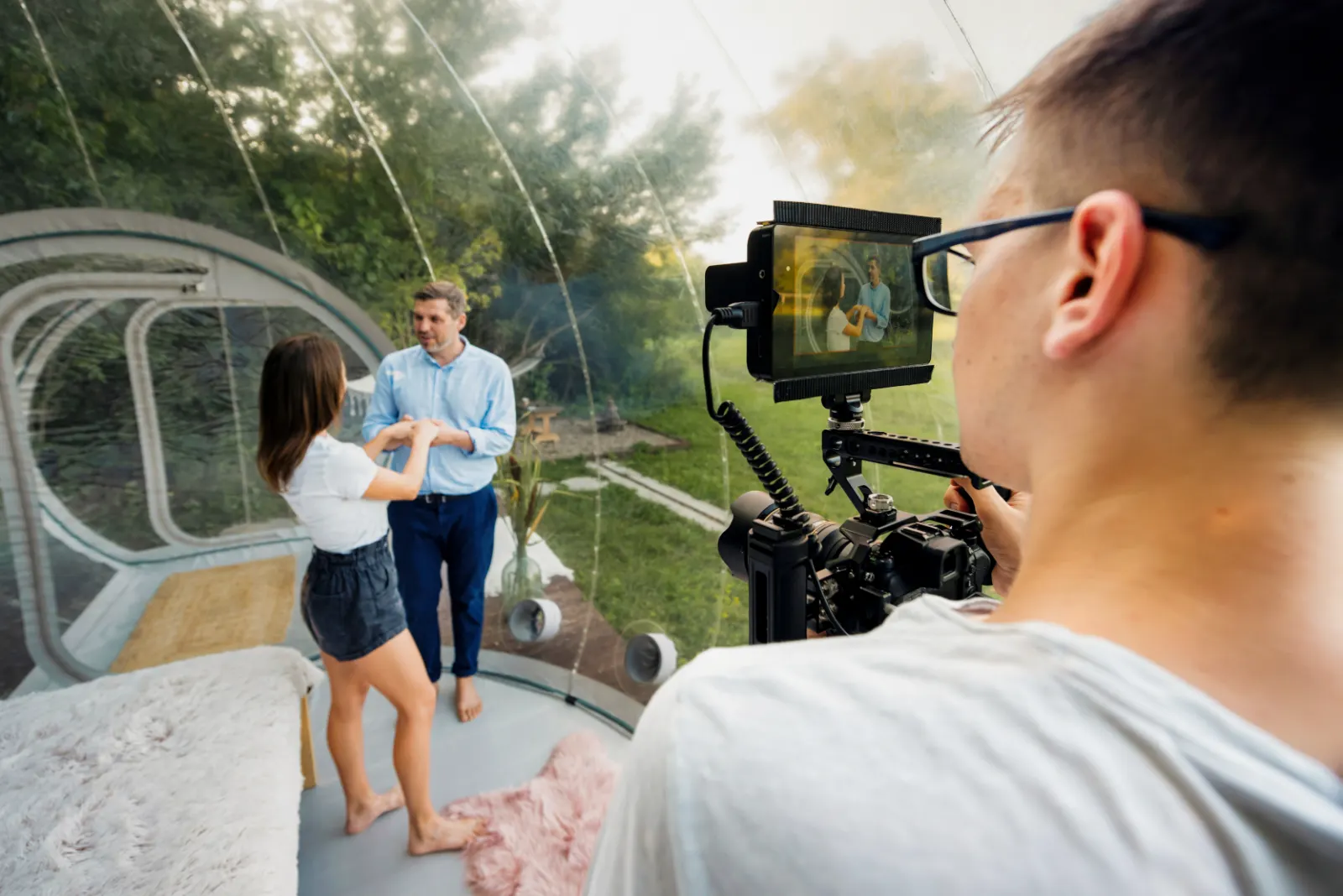
Cinematography usually refers to storytelling for films, series, and ads, where every frame is planned. Videography leans toward capturing real events, like weddings or conferences, as they happen.
The good news? The same principles of light, framing, and movement make both look better.
Your Cinematography Questions, Answered
Here are quick answers to the things beginners ask most.
What Does a Cinematographer Actually Do?
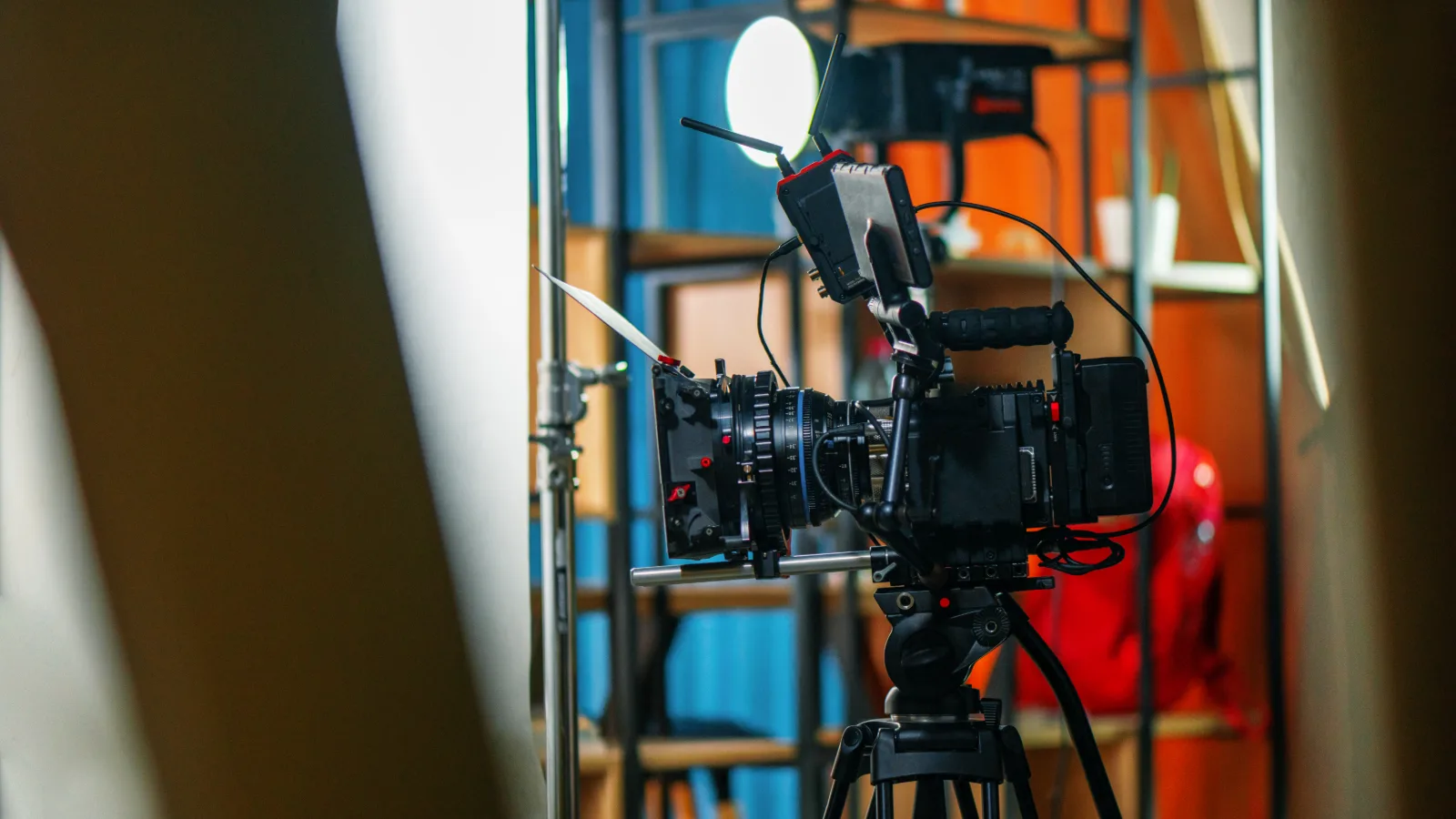
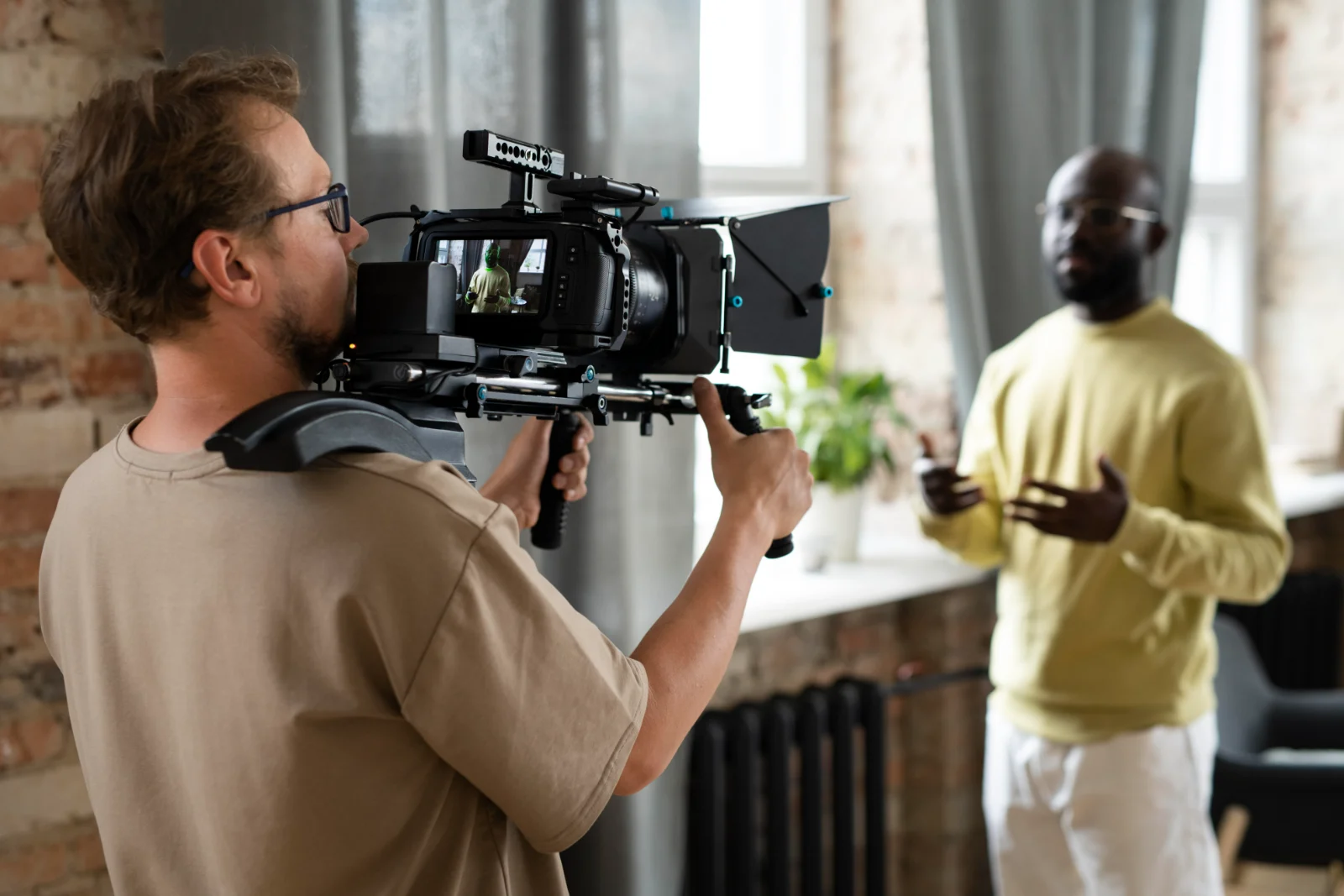
A cinematographer, also called a director of photography or DP, leads the camera and lighting teams. They turn the director’s vision into real images on screen.
Is Cinematography the Same as Directing?
No. The director guides the whole story and the performances, while the cinematographer focuses on how each shot looks.
Do You Need an Expensive Camera to Learn?
Not at all. A smartphone teaches you composition, light, and movement just as well as a cinema camera.
How Long Does It Take to Get Good at Cinematography?
You’ll notice real progress after a few months of regular practice. Mastery takes years, and that’s part of the fun.
What Is the Fastest Way to Improve Your Shots?
Fix your lighting first. Shooting near a window or during golden hour instantly upgrades almost any frame.
Start Seeing Every Frame Like a Cinematographer
So the next time someone asks you what is cinematography, you’ll have a clear answer and the footage to back it up. Grab your camera, pick one technique, and go shoot something today.